Pasta water: the small step worth remembering
Keep some cooking water before you drain. Here is where it fits into a sauce, and how to use the note in our creamy garlic pasta recipe.
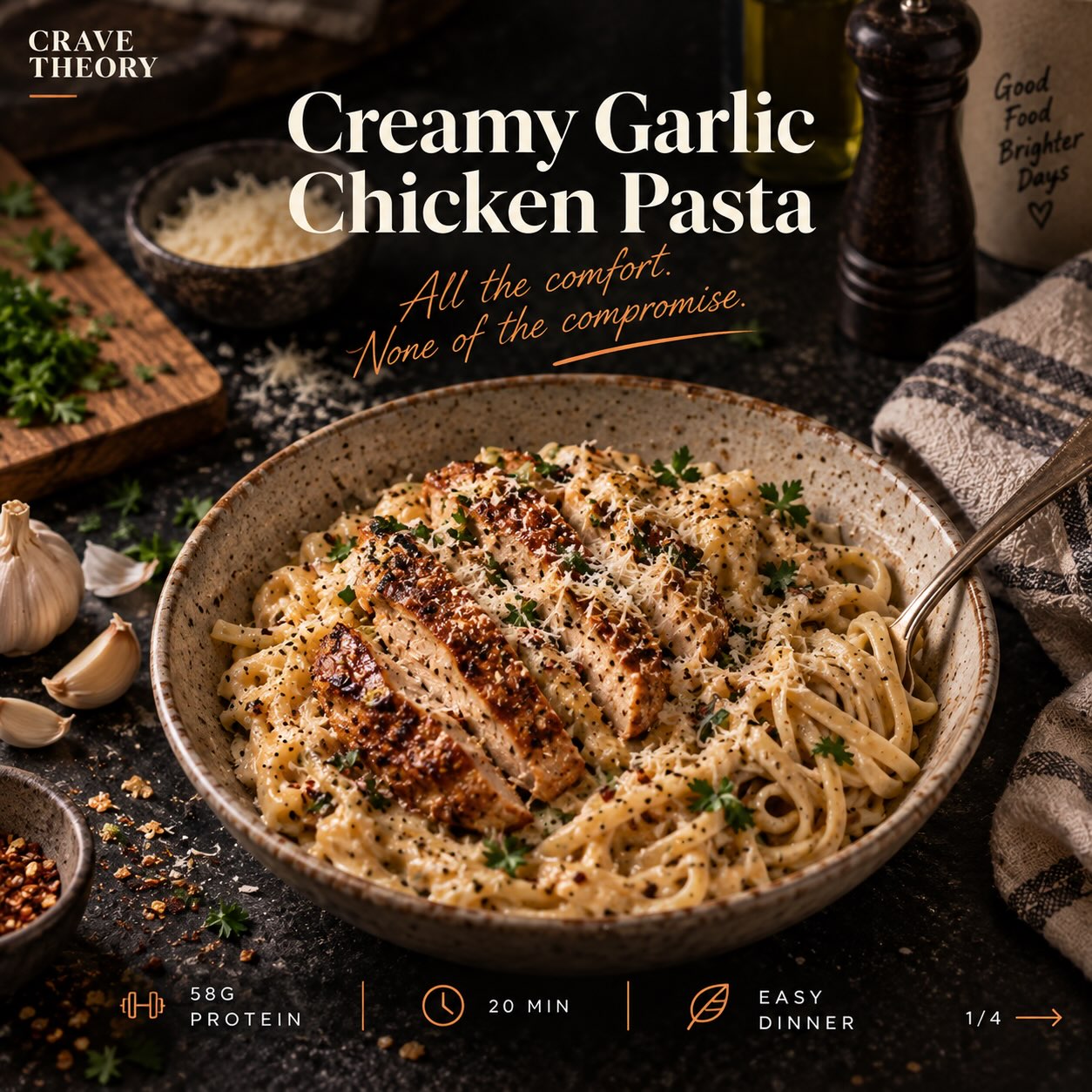
Make the reminder before the pasta goes in
The easiest step to forget is the one that happens just before you drain. Put a heat-safe cup or jug beside your colander when you set up. That gives you a visible reminder to keep some cooking water.
Barilla recommends reserving cooking water near the end and finishing the drained pasta with its sauce. For a hot sauced pasta, it also advises against rinsing away the starch. Follow the package instructions for your particular pasta.
Add a little, then reassess
The reserved water gives you a way to loosen a sauce while bringing the pasta and sauce together. Add a small amount, toss, and look at the consistency before adding more. You are adjusting what is in your pan, not trying to use every drop you saved.
A sauce recipe still matters. Pasta water is an adjustment, not a replacement for its other ingredients or instructions.
How this fits our creamy garlic chicken pasta
Our recipe asks you to blend the cottage cheese, Greek yogurt and broth before adding that mixture to the skillet. The pasta water is kept separately for the final toss, when the pasta and parmesan go in.
Read those as two different jobs: the measured ingredients make the sauce, and the reserved water lets you adjust its consistency at the end. The Crave Note on the recipe page is the quick reminder to keep beside you while cooking.
Keep the first attempt simple
If you are trying the recipe for the first time, use its written quantities and make one adjustment at a time. Changing the pasta, the dairy ingredients and the batch size together makes it harder to know what affected the result.
Once you know the version you like, save that note somewhere you will find it again. A useful kitchen note can be as small as which pasta shape you chose or how much sauce your household prefers. It should describe your result, not someone else’s promise.
Sources & further reading
Spotted something we should revisit? Tell us.